Welcome to PRISM Lab!
We are Pattern Recognition and Intelligent System Modeling Lab :D
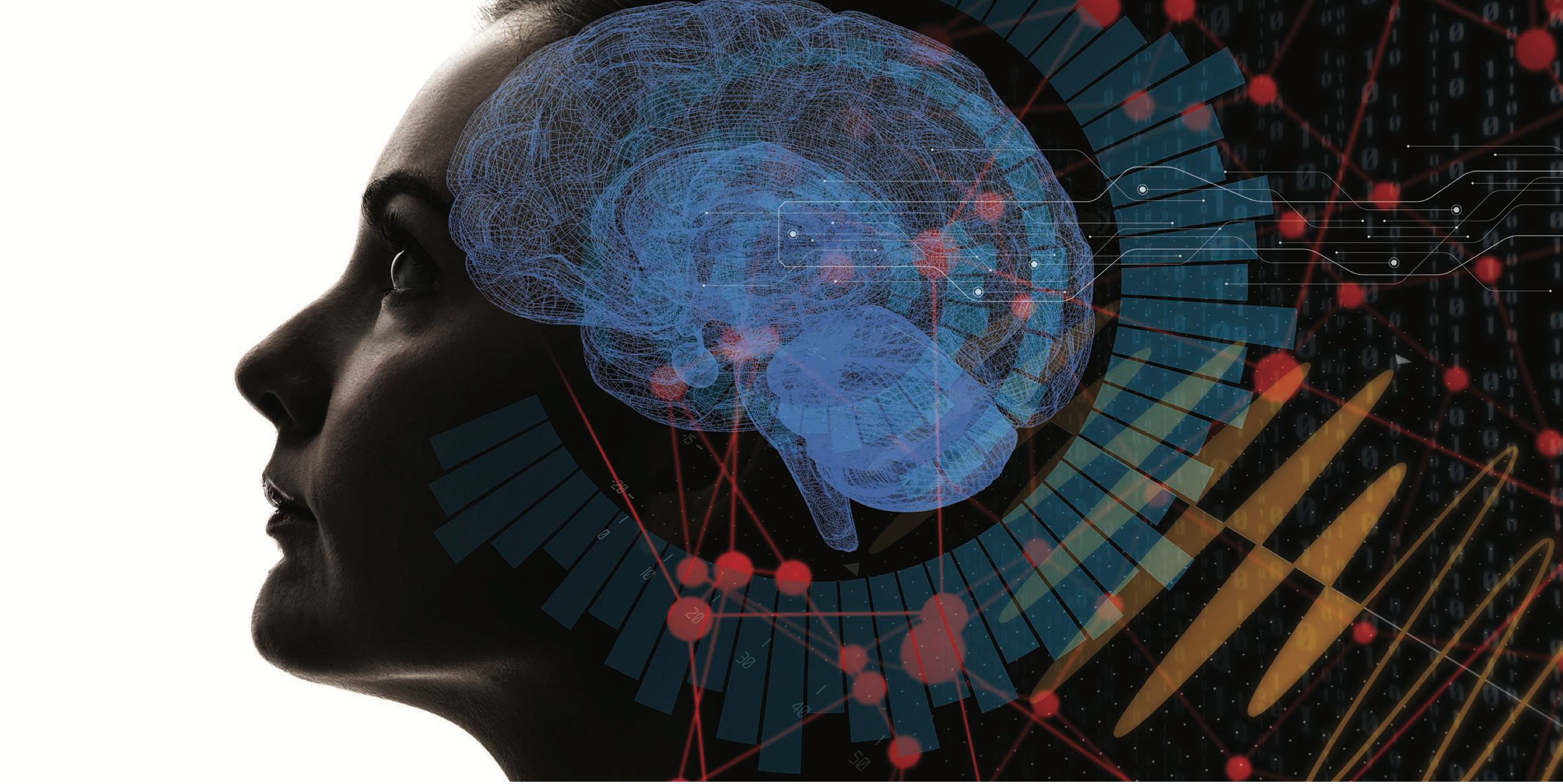
In recent, machine learning and deep learning frameworks have become de facto standards in diverse fields, e.g., computer vision, natural language processing, and healthcare, thanks to their unprecedented caliber in data representation. Inter alia, biomedical tasks performed by experts are time-consuming and expensive per se; hence many pioneering studies tried to revolutionize the domain of biomedical artificial intelignece by enjoying the recent advancements of machine learning and deep learning. Nevertheless, room for improvement still exists, especially in the data-oriented viewpoint.
Our research addresses fundamental problems in developing theoretically sound representation learning algorithms and frameworks for various data modalities such as image, signal, graph, and table in the biomedical artificial intelligence field.
-
We aim to develop novel linear representation methods and deep neural network structures in the data-oriented perspective by considering distributional properties of given data.
-
We aim to devise novel machine learning and deep learning algorithms and methods, grounded in the principles of Bayesian statistics, topology, and physics.
-
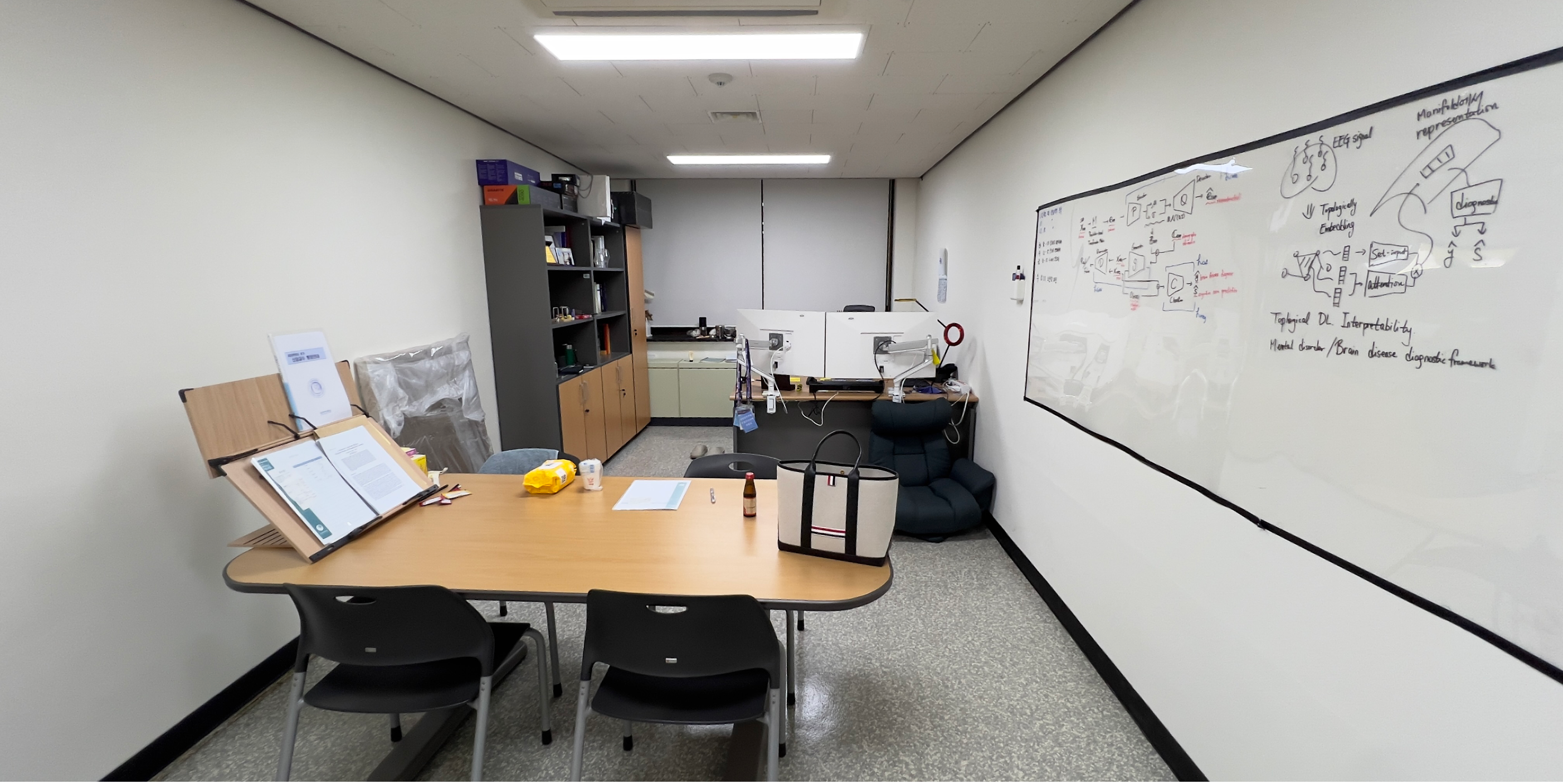
We aim to propose biomedical artificial intelligence frameworks for biosignal (e.g., electroencephalogram) processing, neuroimaging (e.g., structural/functional magnetic resonance imaging) analysis, and data mining which can integrate multiple modalities (e.g., gene and neuroimaging).

We are looking for passionate new PhD/Master students to join the team!


News
Chanmi was awarded “Crystal of the Year (올해의 수정)” for her research achievements.
Chanmi, Minseo, and Yeonji’s patent application “그래프 기반 표현형-유전형 관계 모델링을 이용한 자기지도 학습 기반 신경퇴행성 질환 패턴 인식 방법” is filed.
Yobin and Jeongwon’s patent application “다중채널 뇌전도 신호 기반 신경발달장애 진단 시스템” is filed.